
Time is Limited - Act Now
Time is Limited
Act Now

Patients Who Experienced Alleged Hernia Mesh Failure After 2010 May Have an Opportunity for Justice and Potential Compensation
If you or a loved one underwent hernia repair with surgical mesh in 2010 or later and experienced severe complications, here's what you can do today:
- Request a free, confidential case review
- Learn whether you qualify for potential compensation.
- Get help from an experienced team dedicated to patient justice.
Allegations Reveal Concerns with Hernia Mesh Devices and Potential Patient Harm
Seeking Justice and Potential Compensation for Alleged Hernia Mesh Injuries
Hernia mesh lawsuits claim that specific hernia mesh devices suffer from poor design. Plaintiffs’ complaints say manufacturers didn't warn medical providers about serious complications and device failures. If you've undergone hernia repair surgery involving surgical mesh, you likely put your trust in the medical devices used to aid your recovery.
However, for some individuals, this trust has been profoundly challenged by allegations of severe complications and device failure. Understanding the distress and pain these situations can cause is crucial. This information offers clear, compassionate guidance on legal options, focusing on potential pathways to justice and financial compensation.
The Role of Hernia Mesh in Surgical Repair
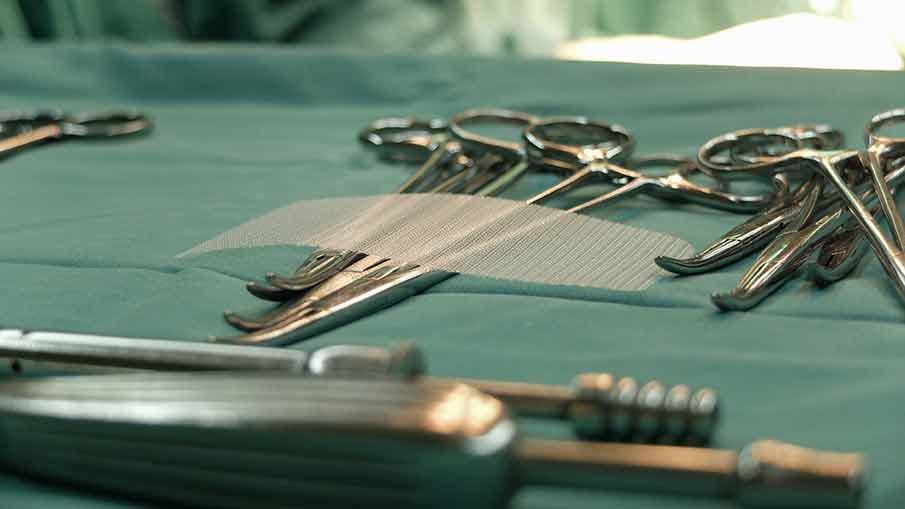
Hernia mesh is a medical device that supports weakened tissue in hernia repair surgeries. It's often used to reinforce the surgical site and reduce the likelihood of recurrence. Surgical mesh has become a common practice, with approximately one million hernia repair surgeries performed annually in the United States, and most of these use surgical mesh.
The U.S. Food and Drug Administration (FDA) notes that hernias have a high recurrence rate, and surgical mesh is often used to strengthen the repair and reduce this risk.
Allegations of Defective Hernia Mesh Devices
Despite their widespread use, serious allegations concerning certain hernia mesh products have emerged. Patients have reported experiencing significant complications, including chronic pain, infection, mesh migration, and the need for revision surgeries.
These concerns suggest that some mesh products may have been defectively designed or manufactured or that patients were not adequately warned of potential risks. It is crucial to understand that these are allegations and not facts for every device or manufacturer.
Many manufacturers allegedly rushed their synthetic hernia mesh products to the market using the FDA's 510(k) clearance process and manufactured and marketed devices with little to no safety studies. Since then, manufacturers have reportedly withdrawn many of these devices, and in some cases, the mesh devices have been recalled.
Understanding Potential Hernia Mesh Complications
When hernia mesh failure is alleged, it can lead to a range of severe health issues. These complications can significantly impact a person's quality of life, leading to ongoing medical treatments and considerable discomfort. The FDA reports multiple risks of surgical mesh in hernia repair surgery that have prompted hernia mesh lawsuits, including:
- Pain: Persistent and often debilitating pain is a common complaint.
- Infection: Infections can occur around the mesh, sometimes leading to abscess formation or sepsis.
- Mesh Migration: The mesh may shift from its original position.
- Bowel Obstruction: The mesh can adhere to or obstruct the intestines.
- Adhesion: The mesh can cause scar tissue to form and bind organs or tissues together.
- Recurrence: The hernia comes back after surgery, often needing more surgery.
- Perforation of organs or tissues: The mesh can tear or poke holes in organs or tissues.
According to the U.S. Food and Drug Administration (FDA), the most common adverse events reported for hernia mesh include pain, infection, recurrence, adhesion, and obstruction. These can necessitate additional surgery.
The FDA's Stance on Hernia Mesh
The U.S. Food and Drug Administration (FDA) plays a critical role in overseeing the safety and effectiveness of medical devices, including hernia mesh. The FDA continually monitors reports of adverse events related to medical devices.
The FDA states, "The most common adverse events associated with hernia mesh are pain, infection, hernia recurrence, adhesion, and bowel obstruction. Some of these complications may require additional surgery."
Timeline of Events and Legal Action
Below is a timeline of alleged concerns, key lawsuits, and institutional responses related to hernia mesh:
- Early 2000s: Increased use of synthetic surgical mesh for hernia repair becomes widespread.
- 2005-2007: C.R. Bard issues several Class 1 and Class 2 recalls for its Kugel Mesh product.
- 2010 onwards: A significant increase in adverse event reports submitted to the FDA regarding hernia mesh complications.
- 2011: C.R. Bard settles 3,000 cases over its Kugel Mesh for $184 million.
- 2012: The FDA warns Atrium about its failure to address numerous complaints of infections from the C-QUR mesh.
- 2015: A federal judge issues an injunction prohibiting Atrium from manufacturing and distributing the C-QUR product.
- 2016: Ethicon issued a market withdrawal for its Physiomesh Flexible Composite Mesh.
- 2018-Present: Numerous individual lawsuits are consolidated into multidistrict litigations (MDLs) for various manufacturers.
- October 2024: The Bard hernia mesh multidistrict litigation (MDL 2846) reaches a global resolution, paving the way for injured claimants to receive compensation. This follows seven years of litigation, with over 24,000 cases.
- December 2024: The deadline for selecting the first bellwether trial case in the Covidien MDL is pushed to July 2025. Over 26,000 cases are pending in the hernia mesh MDL.
- January 2025: An "early pay" option is established for straightforward Bard cases, offering $25,000 for less severe injuries and $2,500 if the mesh was unlinked.
- May 2025: The Covidien hernia mesh MDL picks its second bellwether trial for July 2026.
- June 2025: The Bard and Covidien hernia mesh MDLs continue progressing. Bard cases rise to 25,015, with new lawsuits still being filed. The Covidien MDL adds six new cases, reaching 2,004.
- August 2025: A significant trial in the Bard MDL results in a substantial jury verdict in favor of the plaintiff, further supporting the claims against the manufacturer.
September 2025: The Covidien MDL continues to grow, with cases now totaling over 2,100 as the parties prepare for upcoming bellwether trials.
Understanding "Market Withdrawal" vs. "Recall"
A "market withdrawal" typically occurs when a company removes a product from the market for minor violations or reasons that do not involve a health risk. A "recall" is issued when there's a reasonable probability that a product will cause serious adverse health consequences or death.
Some manufacturers have reportedly conducted "market withdrawals" of certain mesh products, which has led to allegations that they were attempting to avoid the more severe implications of a formal "recall."
Leading Manufacturers and Mesh Types Named in Allegations
Several manufacturers and specific mesh products have been frequently named in allegations concerning hernia mesh failure and complications. It's important to reiterate that these allegations do not constitute proven fault for all products or cases.
Manufacturers facing mass tort lawsuits for their hernia mesh products include:
- Atrium Medical Corporation: C-Qur Mesh, RPM Mesh, and other C-Qur products.
- Bard Davol (a subsidiary of C.R. Bard): PerFix Plug, 3DMax Mesh, Ventrio Patch, Sepramesh, and Kugel Mesh (previously recalled).
- Covidien (a subsidiary of Medtronic): Parietex Mesh, Parietex ProGrip Mesh, and Symbotex Composite Mesh.
- Ethicon (a subsidiary of Johnson & Johnson): Physiomesh Flexible Composite Mesh (market withdrawn) and Proceed Surgical Mesh.
- Genzyme Corporation: Sepramesh IP.
- Gore Medical: Gore-Tex DualMesh.
Some of these hernia mesh devices have been recalled. Other hernia mesh products are still in use.
"The legal system offers a vital avenue for individuals to seek redress when they have been harmed by allegedly defective medical devices," stated Dr. David G. Armstrong, a professor of surgery who has spoken on patient safety issues, in an interview discussing medical device accountability. This sentiment underscores the importance of pursuing legal options if you have been harmed.
The Legal Path Forward: Seeking Compensation and Accountability
If you or a loved one experienced alleged hernia mesh failure or significant complications after hernia mesh surgery, you may have legal grounds to pursue compensation. This legal action focuses on holding individual perpetrators accountable and, potentially, the institutions that allowed the harm to occur. A civil lawsuit seeks to recover damages for the harm suffered, which may include:
- Medical expenses: Past and future costs resulting from injuries caused by the hernia mesh, including revision surgery and treatment of infections, perforations, or chronic pain.
- Pain and suffering: For the emotional anguish and psychological trauma endured.
- Lost income: If the injuries impacted your ability to work.
- Punitive damages: In some instances, to punish egregious conduct.
History of Settlements in Hernia Mesh Lawsuits
Hernia mesh lawsuits represent one of the largest mass tort litigations in U.S. history. While many of these cases remain active, some settlement agreements have been reached.
- Bard Kugel Mesh Settlement: 2011 C.R. Bard settled 3,000 cases over its Kugel Mesh for $184 million.
- Transvaginal Mesh Settlements: Similar to hernia mesh lawsuits, thousands of claims were filed against manufacturers of vaginal mesh medical devices, resulting in $3 billion in settlements.
Taking Action: Your Opportunity for Justice
The opportunity to seek justice and potential compensation is available. If you believe you have suffered from hernia mesh complications, we encourage you to seek a confidential case evaluation.
Signs You May Be a Victim
Do you qualify? If any of the following apply to you, it's time to take a closer look:
- You had a hernia mesh implant in 2010 or later.
- You experienced an alleged hernia mesh failure that required replacement or other significant medical intervention.
- You do not currently have an open case with another attorney.
Don't let fear or uncertainty prevent you from exploring your options. Time can be a factor in these cases, so we encourage you to reach out for a confidential discussion.
Those who qualify may request a free, private case evaluation by a personal injury attorney!
Find Out if You Qualify
Allegations Reveal Concerns with Hernia Mesh Devices and Potential Patient Harm
Seeking Justice and Potential Compensation for Alleged Hernia Mesh Injuries
Hernia mesh lawsuits claim that specific hernia mesh devices suffer from poor design. Plaintiffs’ complaints say manufacturers didn't warn medical providers about serious complications and device failures. If you've undergone hernia repair surgery involving surgical mesh, you likely put your trust in the medical devices used to aid your recovery.
However, for some individuals, this trust has been profoundly challenged by allegations of severe complications and device failure. Understanding the distress and pain these situations can cause is crucial. This information offers clear, compassionate guidance on legal options, focusing on potential pathways to justice and financial compensation.
The Role of Hernia Mesh in Surgical Repair
Hernia mesh is a medical device that supports weakened tissue in hernia repair surgeries. It's often used to reinforce the surgical site and reduce the likelihood of recurrence. Surgical mesh has become a common practice, with approximately one million hernia repair surgeries performed annually in the United States, and most of these use surgical mesh.
The U.S. Food and Drug Administration (FDA) notes that hernias have a high recurrence rate, and surgical mesh is often used to strengthen the repair and reduce this risk.
Allegations of Defective Hernia Mesh Devices
Despite their widespread use, serious allegations concerning certain hernia mesh products have emerged. Patients have reported experiencing significant complications, including chronic pain, infection, mesh migration, and the need for revision surgeries.
These concerns suggest that some mesh products may have been defectively designed or manufactured or that patients were not adequately warned of potential risks. It is crucial to understand that these are allegations and not facts for every device or manufacturer.
Many manufacturers allegedly rushed their synthetic hernia mesh products to the market using the FDA's 510(k) clearance process and manufactured and marketed devices with little to no safety studies. Since then, manufacturers have reportedly withdrawn many of these devices, and in some cases, the mesh devices have been recalled.
Understanding Potential Hernia Mesh Complications
When hernia mesh failure is alleged, it can lead to a range of severe health issues. These complications can significantly impact a person's quality of life, leading to ongoing medical treatments and considerable discomfort. The FDA reports multiple risks of surgical mesh in hernia repair surgery that have prompted hernia mesh lawsuits, including:
- Pain: Persistent and often debilitating pain is a common complaint.
- Infection: Infections can occur around the mesh, sometimes leading to abscess formation or sepsis.
- Mesh Migration: The mesh may shift from its original position.
- Bowel Obstruction: The mesh can adhere to or obstruct the intestines.
- Adhesion: The mesh can cause scar tissue to form and bind organs or tissues together.
- Recurrence: The hernia comes back after surgery, often needing more surgery.
- Perforation of organs or tissues: The mesh can tear or poke holes in organs or tissues.
According to the U.S. Food and Drug Administration (FDA), the most common adverse events reported for hernia mesh include pain, infection, recurrence, adhesion, and obstruction. These can necessitate additional surgery.
The FDA's Stance on Hernia Mesh
The U.S. Food and Drug Administration (FDA) plays a critical role in overseeing the safety and effectiveness of medical devices, including hernia mesh. The FDA continually monitors reports of adverse events related to medical devices.
The FDA states, "The most common adverse events associated with hernia mesh are pain, infection, hernia recurrence, adhesion, and bowel obstruction. Some of these complications may require additional surgery."
Timeline of Events and Legal Action
Below is a timeline of alleged concerns, key lawsuits, and institutional responses related to hernia mesh:
- Early 2000s: Increased use of synthetic surgical mesh for hernia repair becomes widespread.
- 2005-2007: C.R. Bard issues several Class 1 and Class 2 recalls for its Kugel Mesh product.
- 2010 onwards: A significant increase in adverse event reports submitted to the FDA regarding hernia mesh complications.
- 2011: C.R. Bard settles 3,000 cases over its Kugel Mesh for $184 million.
- 2012: The FDA warns Atrium about its failure to address numerous complaints of infections from the C-QUR mesh.
- 2015: A federal judge issues an injunction prohibiting Atrium from manufacturing and distributing the C-QUR product.
- 2016: Ethicon issued a market withdrawal for its Physiomesh Flexible Composite Mesh.
- 2018-Present: Numerous individual lawsuits are consolidated into multidistrict litigations (MDLs) for various manufacturers.
- October 2024: The Bard hernia mesh multidistrict litigation (MDL 2846) reaches a global resolution, paving the way for injured claimants to receive compensation. This follows seven years of litigation, with over 24,000 cases.
- December 2024: The deadline for selecting the first bellwether trial case in the Covidien MDL is pushed to July 2025. Over 26,000 cases are pending in the hernia mesh MDL.
- January 2025: An "early pay" option is established for straightforward Bard cases, offering $25,000 for less severe injuries and $2,500 if the mesh was unlinked.
- May 2025: The Covidien hernia mesh MDL picks its second bellwether trial for July 2026.
- June 2025: The Bard and Covidien hernia mesh MDLs continue progressing. Bard cases rise to 25,015, with new lawsuits still being filed. The Covidien MDL adds six new cases, reaching 2,004.
- August 2025: A significant trial in the Bard MDL results in a substantial jury verdict in favor of the plaintiff, further supporting the claims against the manufacturer.
September 2025: The Covidien MDL continues to grow, with cases now totaling over 2,100 as the parties prepare for upcoming bellwether trials.
Understanding "Market Withdrawal" vs. "Recall"
A "market withdrawal" typically occurs when a company removes a product from the market for minor violations or reasons that do not involve a health risk. A "recall" is issued when there's a reasonable probability that a product will cause serious adverse health consequences or death.
Some manufacturers have reportedly conducted "market withdrawals" of certain mesh products, which has led to allegations that they were attempting to avoid the more severe implications of a formal "recall."
Leading Manufacturers and Mesh Types Named in Allegations
Several manufacturers and specific mesh products have been frequently named in allegations concerning hernia mesh failure and complications. It's important to reiterate that these allegations do not constitute proven fault for all products or cases.
Manufacturers facing mass tort lawsuits for their hernia mesh products include:
- Atrium Medical Corporation: C-Qur Mesh, RPM Mesh, and other C-Qur products.
- Bard Davol (a subsidiary of C.R. Bard): PerFix Plug, 3DMax Mesh, Ventrio Patch, Sepramesh, and Kugel Mesh (previously recalled).
- Covidien (a subsidiary of Medtronic): Parietex Mesh, Parietex ProGrip Mesh, and Symbotex Composite Mesh.
- Ethicon (a subsidiary of Johnson & Johnson): Physiomesh Flexible Composite Mesh (market withdrawn) and Proceed Surgical Mesh.
- Genzyme Corporation: Sepramesh IP.
- Gore Medical: Gore-Tex DualMesh.
Some of these hernia mesh devices have been recalled. Other hernia mesh products are still in use.
"The legal system offers a vital avenue for individuals to seek redress when they have been harmed by allegedly defective medical devices," stated Dr. David G. Armstrong, a professor of surgery who has spoken on patient safety issues, in an interview discussing medical device accountability. This sentiment underscores the importance of pursuing legal options if you have been harmed.
The Legal Path Forward: Seeking Compensation and Accountability
If you or a loved one experienced alleged hernia mesh failure or significant complications after hernia mesh surgery, you may have legal grounds to pursue compensation. This legal action focuses on holding individual perpetrators accountable and, potentially, the institutions that allowed the harm to occur. A civil lawsuit seeks to recover damages for the harm suffered, which may include:
- Medical expenses: Past and future costs resulting from injuries caused by the hernia mesh, including revision surgery and treatment of infections, perforations, or chronic pain.
- Pain and suffering: For the emotional anguish and psychological trauma endured.
- Lost income: If the injuries impacted your ability to work.
- Punitive damages: In some instances, to punish egregious conduct.
History of Settlements in Hernia Mesh Lawsuits
Hernia mesh lawsuits represent one of the largest mass tort litigations in U.S. history. While many of these cases remain active, some settlement agreements have been reached.
- Bard Kugel Mesh Settlement: 2011 C.R. Bard settled 3,000 cases over its Kugel Mesh for $184 million.
- Transvaginal Mesh Settlements: Similar to hernia mesh lawsuits, thousands of claims were filed against manufacturers of vaginal mesh medical devices, resulting in $3 billion in settlements.
Taking Action: Your Opportunity for Justice
The opportunity to seek justice and potential compensation is available. If you believe you have suffered from hernia mesh complications, we encourage you to seek a confidential case evaluation.
Signs You May Be a Victim
Do you qualify? If any of the following apply to you, it's time to take a closer look:
- You had a hernia mesh implant in 2010 or later.
- You experienced an alleged hernia mesh failure that required replacement or other significant medical intervention.
- You do not currently have an open case with another attorney.
Don't let fear or uncertainty prevent you from exploring your options. Time can be a factor in these cases, so we encourage you to reach out for a confidential discussion.
Those who qualify may request a free, private case evaluation by a personal injury attorney!
100% Free & Secure Case Evaluations
Answer a few basic questions to get started
We'll ask specific questions to understand the situation, the injuries, and other vital info to help determine the next steps.
Receive a confidential case evaluation
A qualified legal team led by a personal injury attorney will consider the facts of the case and the potential for compensation.
Have an individual claim filed for compensation
Those that qualify will have an individual claim filed in a court of law for the justice and compensation they deserve.
You don’t have to suffer the injury of unnecessary and invasive hernia surgery in silence any longer—we fight for justice for you!
Victims of alleged hernia mesh complications may have grounds to pursue legal action and financial recovery of damages.
